
Sports Massage Recovery Tarifa | Powerful Recovery
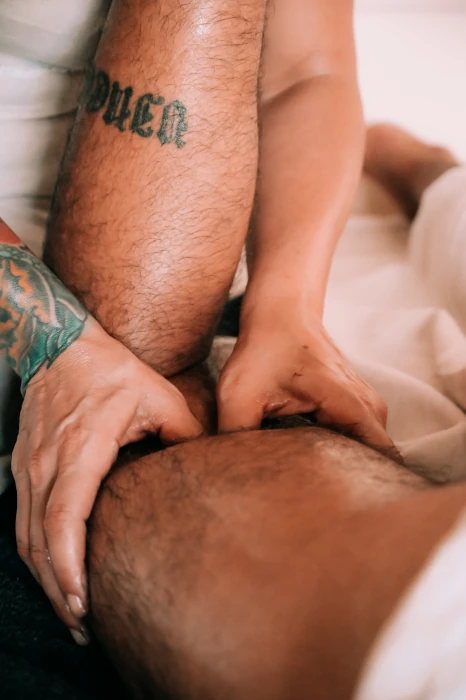
Sports Massage Recovery in Tarifa
Focused recovery after competition, training and demanding days on the water
The Sports Massage Recovery Tarifa is a personalized 60-minute treatment for athletes and active people after demanding physical effort.
Once the competition, training session, or active day is over, the priority changes from readiness to recovery. This treatment focuses on the muscles and movement patterns that carried the greatest workload, helping the body feel less heavy, stiff, and fatigued.
The session may combine progressive sports massage, myofascial techniques, trigger point pressure, assisted stretching, joint mobilization, and optional gentle cupping, warmth, or ice therapy.
Sports Massage Recovery Tarifa
at a glance
- Duration: 60 minutes
- Price: € 70
- Best timing: After competition, training or intensive physical activity
- Best for: Muscular fatigue, post-exercise soreness, stiffness and physical overload
- Treatment areas: Selected according to your sport and recent workload
- Techniques: Sports massage, myofascial work, trigger point pressure, stretching, mobilization, and optional heat, ice or gentle cupping
- Pressure: Progressive and adapted to your recovery needs
- Location: Tarifa Old Town
- Appointments: By appointment only
Who is the Sports Massage Recovery Tarifa for?
This treatment is designed for people whose body has recently completed a demanding period of activity.
You do not need to compete professionally. The massage is equally relevant after an endurance event, intensive training block, personal challenge, or several demanding days on the water.
It is especially suitable for:
- competition riders and athletes;
- kitesurfers after strong-wind or prolonged sessions;
- wingfoilers, windsurfers and surfers;
- runners, cyclists and endurance athletes;
- people recovering from several consecutive active days;
- active travellers finishing an intensive holiday in Tarifa;
- anyone experiencing general muscular fatigue, heaviness, or stiffness after sports.
Why recovery requires a different treatment
A massage after physical performance has a different objective from one delivered beforehand.
Before competition, the body needs stimulation, mobility, and readiness. Afterwards, the session can slow down and give more time to tired, overloaded, and sensitive areas.
Pressure may be deeper than during a Sports Massage Preparation, but it is introduced progressively. The Sports Massage Recovery Tarifa is adapted according to how hard you worked, how your body feels, and when you need to perform again.
The aim is not to force tired muscles. It is to provide focused manual support that helps you feel less overloaded and more comfortable as recovery begins.
Recovery based on the effort you completed
No two competitions or training sessions place exactly the same demands on the body.
This allows the massage to reflect the actual workload rather than following a fixed full-body routine.
A rider recovering after strong-wind bar control may need more attention through the forearms, shoulders, and back. A runner or cyclist may need greater emphasis on the hips, thighs, calves, and feet.
Before beginning, Arianna considers:
- the sport or event completed;
- its duration and intensity;
- wind, water or terrain conditions;
- areas that fatigued first;
- repeated movements or sustained positions;
- hard landings, crashes or unusual loading;
- previous injuries and sensitive areas;
- the timing of your next training session or event.
Sport-specific areas of accumulated load
Neck, shoulders and back
The neck, shoulders, trapezius, and spinal muscles can become heavily loaded during bar control, paddling, cycling positions, or prolonged athletic posture.
Progressive work through these areas may help reduce the feeling of tension and make normal movement feel more comfortable after activity.
Forearms, wrists and hands
Grip-intensive sports place repeated demand on the forearms, wrists, and hands.
Focused manual work may be included after long periods of bar control, paddling, cycling, climbing, or other repetitive gripping activity.
Pelvis, hips and gluteal muscles
The hips, pelvis, and gluteal muscles play an important role in power, balance, edging, running, cycling, and landing.
These areas may receive dedicated attention when repeated loading has left the lower back, hips, or posterior chain feeling tight or fatigued.
Thighs, calves and feet
The quadriceps, hamstrings, calves, ankles, and feet may carry a significant workload during endurance activity, impact, board control, and repeated changes of direction.
The Sports Massage Recovery Tarifa is adapted according to where fatigue is concentrated and how soon you plan to return to activity.
Recovery techniques used during the Sports Massage Recovery Tarifa
Progressive sports massage
Sports massage techniques are applied to the muscles that carried the greatest workload.
Pressure develops gradually rather than being forced into areas that are already sensitive after performance. This allows the Sports Massage Recovery Tarifa to remain effective and comfortable while giving overloaded muscles focused attention.
The exact depth and rhythm are adjusted to the intensity of the activity, the level of fatigue and how soon you expect to train or compete again.
Myofascial and trigger point work
Slow myofascial contact and precise pressure may be used around areas that feel particularly tight, sensitive, or restricted after prolonged effort.
Research into manual therapy and range of motion found that techniques including compression, stretching, and soft-tissue mobilization can support improved movement in people with myofascial trigger points.
These techniques are selected according to your body and are not automatically applied to every area.
Assisted stretching and mobilisation
Gentle assisted stretching and joint mobilization may be used where prolonged effort has left the shoulders, hips, back, or legs feeling stiff.
The depth and duration are adapted to your soreness, mobility, and next planned activity. The objective is comfortable movement rather than forcing the body into an extreme range.
Gentle cupping
Gentle cupping may be added around selected areas of muscular and fascial tension.
The suction creates a light lifting effect on the soft tissues, offering a different form of contact from the compressive pressure used during massage. It may be used where overloaded areas feel tight, dense or less mobile after intensive activity.
The technique used during the Sports Massage Recovery Tarifa does not normally leave visible marks and is always optional.
Warm basalt stones
Targeted warmth may be applied to areas that remain tense after competition, strong wind, or sustained physical effort.
Warm basalt stones are incorporated into the recovery massage to create comfort and prepare selected muscles for manual work. They do not turn the session into a separate hot-stone massage.
Ice therapy
Brief ice therapy may be used when an area feels particularly sensitive or irritated after demanding activity.
The application is targeted, controlled, and adapted to your comfort and skin sensitivity. It is not a replacement for professional assessment of acute injury, severe swelling, or loss of function.
Recovery informed by competitive experience
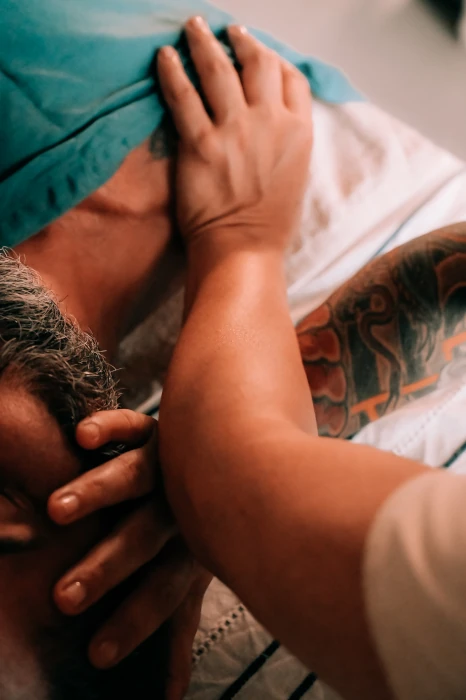
Arianna’s background as a competition rider and experienced kitesurf instructor gives her first-hand knowledge of the difference between normal post-session fatigue and the workload created by demanding conditions, repeated attempts, and competition pressure.
She understands how session length, riding style, strong wind, crashes, and the timing of the next event can change what an athlete needs from recovery.
This allows the Sports Recovery Massage Tarifa to be shaped around the effort you actually completed rather than around a generic sports-massage sequence.
Why choose the Sports Massage Recovery Tarifa ?
This treatment is designed specifically for the hours and days after physical performance.
The Sports Recovery Massage Tarifa combines physical recovery with time to slow down after competition, training, or intensive activity.
Every Sports Massage Recovery is adapted to your sport, workload, soreness, pressure tolerance, and recovery plans.
It is a strong choice when you want:
- recovery adapted to the activity you completed;
- focused attention for the muscles carrying the greatest workload;
- support for post-exercise soreness and fatigue;
- progressive work around stiff or overloaded areas;
- a calmer rhythm than a pre-event treatment;
- techniques adapted to when you need to perform again;
- full-body recovery without a standard routine.
What may feel different after the Sports Recovery Massage Tarifa?
A major review of post-exercise recovery techniques identified massage as one of the most effective strategies for reducing delayed-onset muscle soreness and perceived fatigue after exercise.
Further research into sports massage also found positive effects on post-exercise soreness and flexibility, supporting its role as part of a broader recovery routine. It identified massage as one of the most effective strategies for reducing delayed-onset muscle soreness and perceived fatigue after exercise.
Massage works best alongside suitable sleep, nutrition, hydration, movement and rest rather than replacing them.
After the Sports Recovery Massage Tarifa, you may experience:
- less muscular tightness;
- easier movement around the neck and shoulders;
- a more relaxed feeling through the upper body;
- temporary tenderness after deeper work;
- a gentle cupping sensation without visible skin marks.
How to prepare
for your Sports Massage Recovery
Before the treatment, tell Arianna about the activity you completed, its duration and intensity, and which areas feel most fatigued.
Also mention:
- recent crashes or impacts;
- previous injuries;
- unusual pain or swelling;
- numbness, weakness or changes in movement;
- when you plan to train or compete again;
- your preferred pressure level.
Avoid a heavy meal immediately before the appointment and wear comfortable clothing.
Severe pain, significant swelling, inability to bear weight, numbness, or loss of function should be professionally assessed before massage.
Aftercare
for the Sports Massage Recovery
After the massage:
- keep your movement gentle;
- drink normally;
- prioritise suitable food, rest and sleep;
- allow treated areas time to settle;
- avoid aggressive stretching or foam rolling immediately afterwards;
- postpone intensive activity when the body feels unusually tender;
- return to sport gradually and assess how normal movement feels.
Mild temporary tenderness can occur after focused work. Severe, unusual, or worsening symptoms should be assessed by a qualified healthcare professional.
From competition intensity to recovery
Competition and demanding sports require sustained concentration, muscle activation, and physical effort.
During the Sports Massage Recovery Tarifa, the rhythm becomes slower, and the body no longer needs to remain prepared for immediate output. Progressive pressure, supported movement, and quieter manual work create space to settle after activity.
Research has found that manual therapies can influence both sympathetic and parasympathetic activity. This supports the use of a slower, calming treatment environment as part of the transition from performance into recovery.
The practical goal is simple: to combine focused muscular treatment with a more settled feeling after competition or intensive physical effort.
When should you book?
It can be booked on the same day or during the early recovery period. The best timing depends on soreness, fatigue, travel plans, and when you expect to perform again.
Mention the timing of your next session when booking so the pressure and techniques can be adjusted accordingly.
The Sport Massage Recovery is suitable for:
- after a competition;
- after intensive training;
- following a demanding watersports session;
- between consecutive active days;
- at the end of an intensive holiday;
- before a planned recovery day.
Book your Sports Massage Recovery Tarifa
Support your recovery with treatment shaped around the competition, training session, or demanding active day you have completed.
Book your appointment in Tarifa Old Town or send Arianna a WhatsApp message with your sport, recent activity, main areas of fatigue, and when you expect to perform again.
Sports Massage Recovery Tarifa FAQ
How soon after competition can I book?
The massage can usually be booked on the same day or during the early recovery period. The Sports Recovery Massage Tarifa is adapted to your soreness, fatigue, and next planned activity.
Is this a deep massage?
It can include deeper work, but pressure is introduced progressively and adjusted to the sensitivity of tired muscles after activity.
Can Sports Massage Recovery Tarifa help post-exercise soreness?
Research supports massage as a useful recovery strategy for reducing delayed-onset muscle soreness and perceived fatigue after exercise.
Is it suitable between competitions or training days?
Yes. Tell Arianna when you need to perform again so the depth and techniques can support recovery without leaving the body unnecessarily sensitive.
Does the Sports Massage Recovery Tarifa include cupping, heat, or ice?
These techniques are optional and are only included when they suit your body and recovery needs.
Is this the same as the Sport Massage Preparation?
No. The Sport Massage Preparation uses more stimulating and dynamic techniques to prepare for activity. The Sports Massage Recovery Tarifa uses a slower rhythm and greater focus on fatigue, soreness, and recovery.
Can I book after a crash?
Minor muscular fatigue after sports can be discussed, but significant pain, swelling, numbness, weakness, or loss of movement should first be professionally assessed.
Which areas can be treated?
The massage may include the neck, shoulders, back, forearms, wrists, hands, hips, gluteal muscles, thighs, calves, ankles, and feet.
Does this replace rest?
No. Massage complements recovery. Appropriate sleep, nutrition, hydration, and sensible training decisions remain important.