
Kite Recovery Massage Tarifa | Recover Stronger, Ride Again
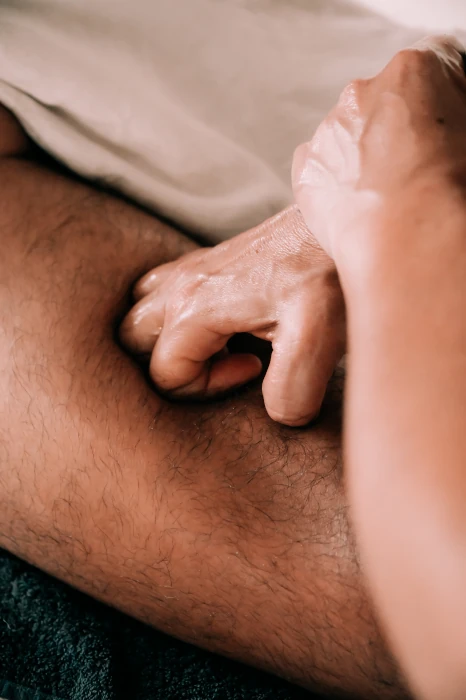
Kite Recovery Massage in Tarifa
Signature recovery treatment created specifically for kitesurfers and watersports athletes
The Kite Recovery Massage Tarifa is a personalised 70-minute treatment created around the physical demands of kitesurfing, wingfoiling, windsurfing and surfing.
Repeated pulling through the kite, sustained grip, rotational movement, changing wind conditions, dynamic balance and impact from landings place demands on the entire body. The back, shoulders, forearms, core, hips, gluteal muscles and legs all work together during a session on the water.
This treatment focuses on the areas that have worked hardest, helping reduce the feeling of muscular overload, support mobility and prepare the body for the next session.
Kite Recovery Massage Tarifa
at a glance
- Duration: 70 minutes
- Price: €80
- Main focus: Recovery after riding, muscular overload, stiffness and mobility
- Focus areas: Adapted to the body and the demands of your session
- Techniques: Deep tissue massage, myofascial work, trigger point pressure, assisted stretching, cupping and hot or ice therapy
- Best for: Kitesurfers, wingfoilers, windsurfers, surfers and active travellers
- Location: Tarifa Old Town
- Appointments: By appointment only
- Pressure: Progressive and adapted to your comfort
Why kitesurfing places specific demands on the body
Kitesurfing is not only a leg or upper-body sport. It requires continuous coordination between the hands, shoulders, trunk, pelvis and lower body.
Wind strength, riding style, water conditions and time spent on the water all influence which areas become overloaded.
This is why the Kite Recovery Massage Tarifa is not based on a standard sports-massage routine. The treatment is adapted to what happened during your session and where your body feels most fatigued, tense or restricted.
During a riding session, the body repeatedly manages:
- constant pull through the bar and harness;
- sustained grip through the hands and forearms;
- shoulder and upper-back stabilisation;
- trunk rotation and core control;
- repeated loading through the lower back and pelvis;
- powerful leg work and rapid changes of direction;
- balance through the ankles, calves and feet;
- impact and compression during jumps and landings.
Who is this massage for?
The Kite Recovery Massage Tarifa is designed for people whose body feels tired, tight or overloaded after time on the water.
You do not need to be injured to book this treatment. It can also be used for recovery, preparation and regular maintenance during an active period in Tarifa.
It is especially suitable for:
- kitesurfers after intensive or consecutive riding days;
- riders experiencing shoulder, back or forearm fatigue;
- wingfoilers and windsurfers managing sustained upper-body loading;
- surfers dealing with paddling fatigue and upper-back tension;
- riders preparing for another session or competition;
- visiting watersports athletes with limited recovery time;
- active people who want sport-specific bodywork rather than a general massage.
A treatment based on your session on the water
Every session begins with a short conversation about your recent activity.
A rider with forearm fatigue after long bar control may need a different approach from someone who feels overloaded through the lower back, hips and legs after strong-wind riding or repeated landings.
This information helps determine the pressure, treatment areas and techniques used.
Arianna may ask:
- how long you were on the water;
- whether the wind was light, strong or gusty;
- which side you loaded most;
- whether you jumped, practised tricks or rode mainly upwind;
- where fatigue or stiffness appeared;
- when you expect to ride again.
Sport-specific treatment areas
Neck, shoulders and upper back
Kitesurfers often maintain elevated or active arm positions while controlling the kite. This can contribute to fatigue around the trapezius, shoulder blades, neck and rotator-cuff area.
Focused work may be used around the upper back, shoulders and arms to reduce the feeling of accumulated tension and support easier movement.
Forearms, wrists and hands
Grip strength is continuously required when steering and controlling the bar.
The forearm flexor and extensor muscles can become heavily loaded, particularly during long sessions, strong wind or technical riding. The treatment may therefore include specific work through the forearms, wrists, palms and hands.
Lower back, pelvis and gluteal muscles
The harness, sustained riding position and repeated changes in load can place considerable demand on the lumbar area, pelvis and gluteal muscles.
Treatment may include the lumbar muscles, thoracolumbar region, gluteal muscles and piriformis area, depending on where fatigue and restriction are felt.
Hips, legs, calves and feet
The legs continuously absorb load, maintain board control and respond to water conditions.
The hip flexors, hamstrings, calves, anterior lower-leg muscles and feet may receive focused work to help the lower body feel less stiff and more responsive after riding.
A personalised combination of recovery techniques
The Kite Recovery Massage Tarifa may combine several techniques during one session.
Deep tissue massage
Progressive pressure is used on the muscles most heavily loaded during riding, such as the shoulders, forearms, lower back, gluteal muscles and legs.
The aim is not simply to press harder, but to work gradually through areas affected by sustained grip, harness load, edging, rotation and repeated landings. Pressure is always adjusted to the rider’s comfort and recovery plans.
For more intensive treatment of persistent tension, explore the Deep Tissue Massage in Tarifa.
Myofascial and trigger point work
Slow myofascial techniques and precise trigger point pressure may be used where repeated riding has created concentrated tension, particularly around the shoulder blades, forearms, thoracolumbar area, gluteal muscles and calves.
A systematic review and meta-analysis found that manual therapy interventions may support improvements in range of motion among people with myofascial trigger points.
Assisted stretching and mobility
Assisted stretching may be used for the shoulders, hips, hamstrings, calves and ankles after prolonged edging, repeated landings and sustained board control.
The stretches are selected according to the rider’s stance, mobility and recent session, helping areas that feel shortened or overloaded move more comfortably before the next time on the water.
Gentle cupping
Gentle cupping may be used around areas that have become heavily loaded through bar control, harness pressure or repeated upper-body work, such as the upper back, shoulders or thoracolumbar region.
The technique does not normally leave visible marks and is always optional.
Warm basalt stones
Warm basalt stones may be used on areas that remain tense after strong-wind sessions, long periods of bar control or repeated loading through the back and shoulders.
The warmth helps make these areas feel more receptive before deeper manual work and remains a targeted part of the recovery treatment rather than a separate hot-stone massage.
Ice therapy
When appropriate, targeted ice therapy may be used after hard landings, strong-wind sessions or repeated loading when a joint, tendon or soft-tissue area feels sensitive or inflamed.
The cooling effect may provide temporary pain relief and help manage swelling in acute soft-tissue complaints. Ice therapy is applied briefly and selectively, with the intensity adapted to your comfort and skin sensitivity.
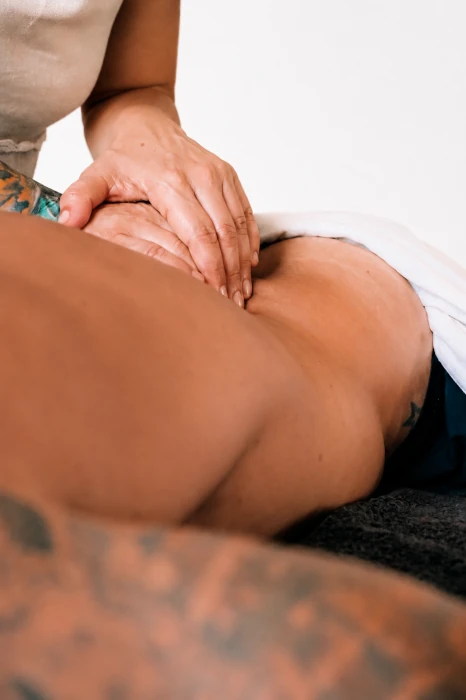
Developed from professional kitesurfing experience
The Kite Recovery Massage Tarifa was developed from Arianna’s experience as a professional kitesurfer, competition rider and instructor.
Teaching and competing have given her first-hand knowledge of how different conditions affect the body: strong-wind loading, long periods of bar control, repeated edging, asymmetrical stance, hard landings and consecutive days on the water.
This allows the treatment to be shaped around the rider rather than around a standard sports-massage routine. The focus can change according to riding style, dominant side, wind conditions, previous injuries and when the next session is planned.
Why choose the Kite Recovery Massage Tarifa?
This is not a general full-body massage with a watersports name added to it.
The treatment was built around the way riders actually use their bodies on the water.
The aim is to help the body feel less overloaded, move more comfortably and be better prepared for the next demand placed on it.
Every Kite Recovery Massage Tarifa is adapted to your recent activity, previous injuries, riding plans, pressure tolerance and recovery goals.
It is a strong choice when you want:
- recovery tailored to kitesurfing and watersports;
- attention to grip, shoulders, core, lower back and legs;
- treatment based on your riding style and recent sessions;
- support between consecutive days on the water;
- preparation for an upcoming session or competition;
- focused work without unnecessarily painful pressure;
- a treatment that combines recovery and deep relaxation.
Recovery after wind, water and concentration
A demanding watersports session does not only tire the muscles. Continuous wind awareness, bar control, balance, timing and rapid decision-making can leave the body feeling physically fatigued and mentally overstimulated.
Slow manual work, progressive pressure and supported stretching create space to settle after intensive time on the water. The treatment combines targeted muscular recovery with a calmer, more grounded feeling before the next riding day.
An overview of systematic reviews suggests that manual therapies may influence activity associated with both the sympathetic and parasympathetic nervous systems, although individual responses differ.
What may feel different after the treatment?
A systematic review and meta-analysis found that sports massage may help reduce post-exercise muscle soreness and support flexibility, although it does not appear to improve sporting performance directly.
Massage can support recovery and perceived soreness, but it cannot guarantee faster tissue healing or improved sporting performance.
After the Kite Recovery Massage Tarifa, riders may notice:
- less muscular tightness;
- easier movement around the neck and shoulders;
- a more relaxed feeling through the upper body;
- temporary tenderness after deeper work;
- a gentle cupping sensation without visible skin marks.
How to prepare for your Kite Recovery Massage Tarifa
Before the appointment, share what happened during your recent sessions so the treatment can be adapted properly.
Mention:
- your watersport and riding style;
- regular or goofy stance;
- the side that feels most heavily loaded;
- recent wind and water conditions;
- jumps, freestyle, wave riding or long upwind sessions;
- crashes, hard landings or sudden overload;
- the areas that feel most fatigued or restricted;
- when you plan to return to the water;
- your preferred pressure level.
Avoid a heavy meal immediately before the appointment and arrive in comfortable clothing.
When booking before another riding session, mention the timing so the treatment can be adjusted accordingly.
Aftercare before returning to the water
After the treatment:
- keep the body moving gently;
- allow the forearms, shoulders, back and legs time to settle;
- avoid aggressive stretching or foam rolling immediately afterwards;
- postpone an intensive session when treated areas feel tender;
- check your grip, rotation, balance and lower-body movement before going back on the water;
- return gradually rather than judging readiness only by how relaxed you feel directly after the massage.
Drink normally and pay attention to how the body responds over the next 24 hours.
Mild temporary tenderness can occur after focused work. Severe, unusual or worsening symptoms should be assessed by a qualified healthcare professional.
Book your Kite Recovery Massage Tarifa
Give your body the recovery support it needs after demanding sessions on the water.
Book your treatment in Tarifa Old Town or send Arianna a WhatsApp message with your watersport, recent riding activity, main areas of fatigue and when you plan to return to the water.
Kite Recovery Massage Tarifa FAQ
Is this Kite Recovery Massage Tarifa only for kitesurfers?
No. It is also suitable for wingfoilers, windsurfers, surfers and other active people whose sport places repeated demand on the back, shoulders, arms, hips and legs.
Should I book before or after kitesurfing?
Both are possible. After riding, the focus can be recovery and accumulated tension. Before riding or competing, the treatment is adapted to avoid excessive depth or temporary tenderness.
Can the Kite Recovery Massage Tarifa be adapted after strong-wind riding?
Yes. Strong-wind sessions often create extra demand through the forearms, shoulders, core and lower back. The treatment can be adjusted according to the wind conditions, session length and how your body responded.
Is the massage suitable between consecutive riding days?
Yes. When you plan to ride again soon, the pressure and techniques can be adapted to support recovery without leaving the body unnecessarily sensitive before the next session.
Does the massage include the whole body?
The Kite Recovery Massage Tarifa can include the whole body, but time is concentrated on the areas most affected by your activity. Not every area receives equal attention.
Which areas are commonly treated?
Common focus areas include the neck, shoulders, upper and lower back, forearms, wrists, hands, pelvis, gluteal muscles, hips, hamstrings, calves and feet.
When your main concern is concentrated around the back, neck and shoulders, the Full Deep Back Massage may be a more focused choice.
Is the treatment painful?
It can be deep, but it should not feel unnecessarily painful. Pressure is applied progressively and can be changed at any time.
Does the treatment include cupping?
Cupping is optional and only used when it suits the treatment. The gentle technique used does not normally leave visible skin marks.
Can it help with soreness after riding?
Massage may help reduce perceived muscular soreness and stiffness after exercise, but individual responses differ. It does not replace rest, suitable nutrition, sleep or medical treatment.
Can I ride immediately afterwards?
That depends on the depth of treatment, how your body responds and the intensity of the planned session. Tell Arianna when you expect to ride so the massage can be adjusted.
Is it suitable after a crash or injury?
Massage is not appropriate for every acute injury. Recent crashes, severe pain, swelling, weakness, numbness or loss of movement should first be assessed by a qualified healthcare professional.